Demand Management Battery Storage for Malls Offices and Campuses
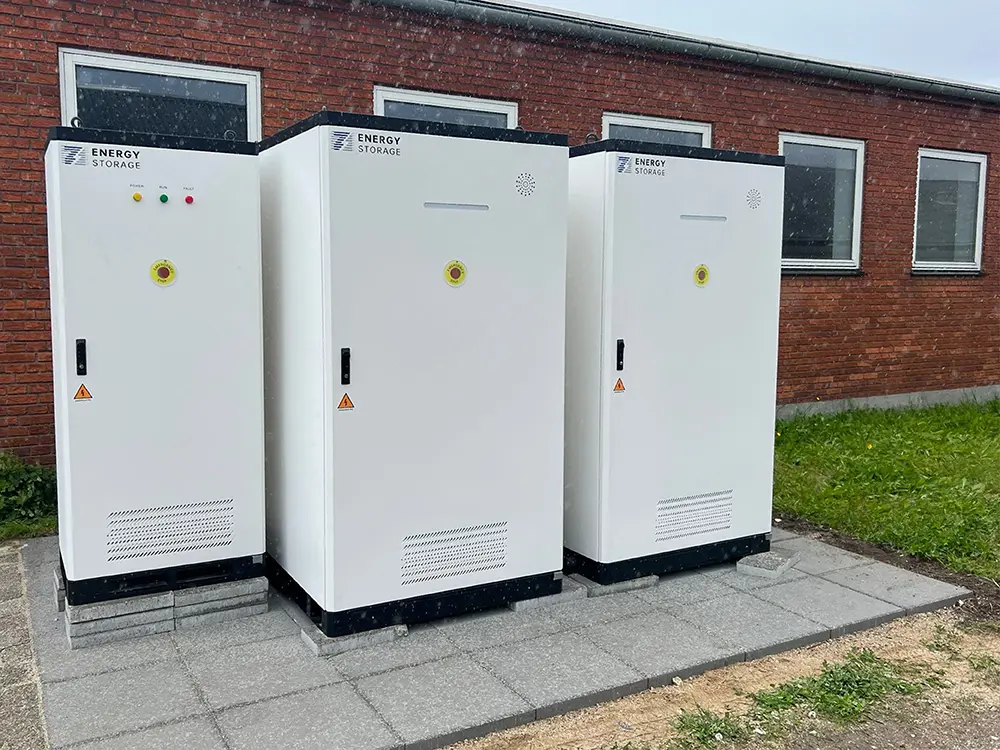
Commercial buildings can experience short electrical peaks even when their average load is moderate. Cooling equipment, elevators, kitchens, tenant loads and vehicle charging may overlap during a billing interval. A battery can reduce the measured peak, but only if the site profile, tariff and operating constraints are represented correctly.
Find the peaks that matter
The first step is to analyze interval meter data across working days, weekends and seasons. The review should identify the peak magnitude, duration, frequency and time of occurrence. It should also show whether the tariff uses monthly demand, coincident demand, ratchets or time dependent charges. A battery cannot be sized reliably from the monthly electricity total.
Flexible loads should be identified before specifying demand management battery storage. Precooling, ventilation scheduling, water heating or managed vehicle charging may reduce part of the problem. Storage can then address the residual peak and can be coordinated with solar self consumption or a separately defined resilience reserve.
Account for building constraints
Malls and offices may have limited plantroom or outdoor space, strict noise expectations and public access nearby. Campuses may have several meters, transformers and ownership boundaries. The project team should confirm fire access, ventilation or thermal management, drainage, cable routes, communications and the electrical point where demand is billed.
Backup requirements need explicit load priorities. Life safety systems, information technology, refrigeration and general tenant loads may have different transfer times and endurance needs. It is usually more practical to define a critical load panel or microgrid boundary than to assume the battery will support every building load.
Prove savings through measurement
The dispatch model should include battery efficiency, auxiliary power, usable state of charge, degradation and missed peaks. A sensitivity analysis should test hotter weather, occupancy changes and added chargers. Savings should be based on the actual tariff and should not double count the same battery energy across several services.
After commissioning, performance should be measured at the utility billing boundary and compared with an agreed baseline. Reporting should show peak events, battery response, availability and any constraint that prevented dispatch. This gives facility managers a practical way to maintain savings as building operations change.
Sources for fact checking
· NREL Analysis of Demand Charge Reduction Using Battery Storage